
Google announced today that the November 2026 core update has started rolling out. It can take up to two weeks to finish, so if your rankings look strange this week, you’re not imagining it. I’ll keep covering changes like this under Google Updates as more data comes in.
Let’s go through what we actually know, and what to do (and not do) in the meantime.
What Google Has Confirmed
Google calls this a regular update, built to surface relevant, satisfying content for searchers from all types of sites. It will update its ranking release history page once the rollout is done, and that page is the only official signal that it’s over.
That’s about it. There’s no list of targeted sites and no breakdown of what changed, which is normal for core updates. Anything else you read in the next few days is someone’s guess, so take the early “winners and losers” posts with a pinch of salt.
The Quick Facts
- Update: November 2026 core update
- Started: November 11, 2026
- Rollout: Up to two weeks, so likely wrapping up around November 25
- Type: Regular, broad core update
A Quick Reminder of What a Core Update Is
A core update isn’t a penalty. It’s also not aimed at one specific tactic, so there’s no single thing to “fix.” Google is adjusting how its systems judge which content is most relevant and useful, and sometimes your page slips simply because someone else’s now answers the query better. You may not have done anything wrong.
Since the rollout is gradual, rankings tend to bounce around. A page can drop on Thursday, recover on Sunday, and settle somewhere else by the following week.
What I’d Do Right Now
Don’t touch anything in a panic. If you rewrite or delete pages mid-rollout, you’ll never know whether the update or your edit caused the change. I’ve seen this go wrong more than once.
Save your baseline. Export Search Console data for the weeks before November 11: queries, pages, countries, devices. You’ll want something solid to compare against later.
Add an annotation. Mark November 11 in GA4, your rank tracker, and any reporting dashboards. Future you will be grateful.
Wait for the rollout to finish. Then give it about a week before drawing conclusions. Compare against a similar period before the update, not just last week.
Look at segments, not just the sitewide line. Break it down by page type, topic cluster, and search intent. Often one section of a site moves while the rest stays flat, and that tells you far more than a single traffic number.
If You Lose Rankings
Try not to take it personally, and ask the practical questions instead:
- Does the page actually answer what the searcher came for, and does it do it quickly?
- Is there anything original on it, or does it say what ten other pages already say?
- Are the trust signals there? Real authorship, credible sources, current information. This matters even more for finance, legal, health, and immigration topics. If you’re unsure where the line is, read my breakdown of Google’s warning against fake author information.
- What do the pages that now outrank you do differently? Look at format, freshness, and how directly they solve the problem.
- Are there thin or overlapping pages that should be improved, merged, or removed? Do this once the data has settled, not before.
Be realistic about recovery, too. It’s rarely quick. Improvements are usually picked up over time and often show more clearly in later core updates, so aim for lasting quality rather than a quick patch.
If You Gain Rankings
Nice, but don’t celebrate too early. Gains can shift before the rollout ends. Once it’s done, look at which pages moved up and work out why. Usually it’s a strong match to intent, fresh information, or clear expertise. Whatever it is, do more of it.
Don’t Forget AI Search
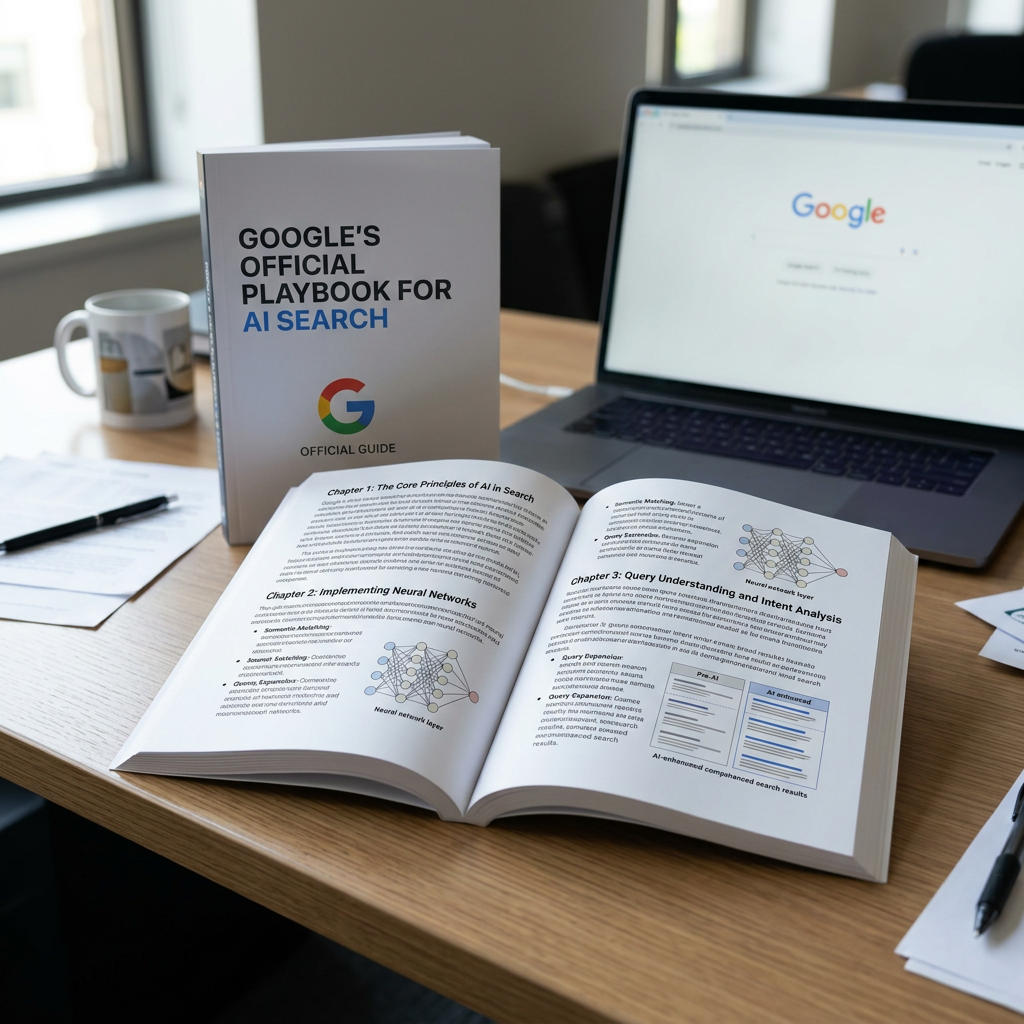
Core updates don’t happen in isolation. Visibility in AI Overviews and other AI answers moves alongside classic rankings, and a lot of what’s sold as “AEO” or “GEO” is noise. Google has published its own guidance, which I covered in Google Finally Published Its Official Playbook for AI Search. If you want the practical side, see AEO vs GEO vs SEO: What Actually Moves the Needle in 2026, and for a look at how real sites hold up, I Audited 10 Websites for AI Search Readiness.
What I’d Use to Monitor It
- Search Console for page and query performance, impressions, and CTR
- Your rank tracker, watching your full priority keyword set and not only the head terms
- GA4 for organic landing page sessions and conversions, since quality of traffic matters more than volume
- Google’s ranking release history page for the official “it’s finished” notice
Final Thoughts
This is a routine core update, and for most sites the best response is a boring one. Save your baseline, wait it out, analyze by segment, and then improve the content that genuinely falls short of what searchers need. Keep an eye on the release history page, and check back once Google confirms it’s done.




Leave a Reply